
Electric Vehicles
If you're sceptical about EVs, we hope this page encourages you to see them in a different light. After all, they are the past, present and future of automotive.
A Brief History of the EV
Contrary to popular belief, EVs are not a new phenomenon. The first EV made its debut in 1884. But as other technologies emerged during that time, early EVs were dealt a hammer blow by the launch of Henry Ford's Model T, which was powered by fossil fuels but was half the price of an EV at the time.
It made car ownership more affordable for the masses and set off a chain of events that led the world down a totally different path. Now, over a century later, electric vehicles are making their triumphant return.
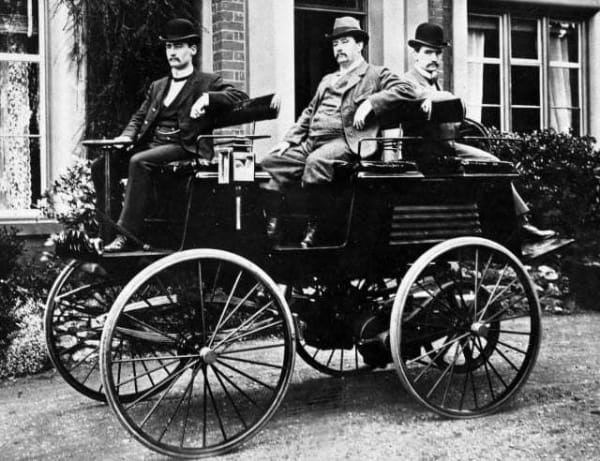
Thomas Parker in his Electric Car, 1884
Should I Switch to an EV?
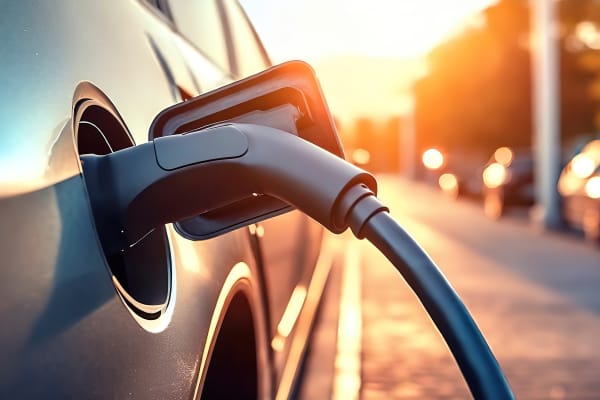
In terms of climate and environment, switching to an electric vehicle is always a great idea. Unlike regular cars that use petrol or diesel, EVs do not produce harmful emissions.
The UK has plans to end the sale of new diesel, petrol, and hybrid cars by 2035. By 2050, the United Kingdom wants to achieve net-zero emissions across all vehicles.
Whether an EV would be a good deal for you depends on your budget, lifestyle, location, and other factors. At DS Cars, we'll always discuss and advise what our recommendations are to ensure you're in the right vehicle.
When Does an EV Make Sense?
Home Charging
If you have a driveway or garage, you can plug in your car overnight—just like charging your phone.
Short Commutes
If you travel 40 miles per day or less, you won't even need to charge more than once a week.
Lower Running Costs
Home charging costs less than public chargers and is significantly cheaper than petrol or diesel.
When out on the road, public fast chargers will charge the battery to 80% in approximately 40 minutes. Ultra-rapid 350kW chargers can do it in under 20 minutes!
⚡ What Are EVs Like to Drive?
It's quite enjoyable to drive an electric car. Due to the fact that an electric motor delivers maximum force the moment it starts moving, EVs feel very quick.
Some top EVs like the Tesla Model S go from 0 to 62mph in only 2.5 seconds, making it one of the fastest accelerating cars in the world!
💰 Running Costs
Although EVs can cost more upfront, their running costs are typically lower. Charging at home is significantly cheaper than petrol, especially on off-peak tariffs.
Maintenance is minimal—no oils, filters, clutches, or turbochargers to worry about. Battery packs usually have a warranty of 8 years or 100,000 miles.
Pros & Cons of Electric Cars
✓ Advantages
Low Operating Expenses
Electricity costs less than petrol or diesel. EVs are simple, reliable machines with minimal maintenance needs.
Company Car Benefits
EVs still offer significant BIK tax savings for company car drivers compared to petrol/diesel vehicles.
Good for the Environment
EVs reduce pollution and are significantly less harmful to the planet and human health.
✗ Disadvantages
Higher Initial Price
Battery packs remain costly, making EVs more expensive upfront. However, prices are decreasing each year.
Range Considerations
Most mid-priced EVs achieve around 200 miles. Premium models like Tesla S Plaid reach up to 479 miles.
Home Charging Setup
You'll need a driveway or garage and a wall box charger, which takes 5-12 hours for a full charge.
Understanding EV Battery Degradation
One of the most common concerns about electric vehicles is battery life. Watch this video to learn the truth about EV battery degradation.
Electric Vehicles in Action
Frequently Asked Questions
Are Electric Vehicles Really Worth It?+
They are worth it if you lead a certain lifestyle. If you only drive around your city and have a place at home where you can charge your EV, an electric car could be a great deal for you. Besides the environmental benefits, EVs also require less maintenance, have lower running costs, and experience better performance.
How Much Will My Electric Bill Go Up?+
Owners of EVs charge their cars mostly at home. To manage 100 miles with your electric car, you'll need to pay about £5, so charging an EV would typically add £10-£25 to your utility bill, depending on your car and how far you travel on a daily basis.
Do You Actually Save Money With an Electric Car?+
Yes, over time you will save money. While the upfront cost is higher, the lower running costs (cheaper electricity vs petrol, no road tax, minimal maintenance) mean that EVs become more economical the longer you own them. Many EV owners report significant savings on their annual motoring costs.
How Long Do EV Batteries Last?+
Battery packs usually have a warranty of 8 years or 100,000 miles. They tend to deteriorate slower than expected, and EVs manage to retain their value better than regular cars. There are reports of EVs being used as taxis with over 300,000 miles and still no issues with batteries or motors degrading.
How Many Charging Points Are There in the UK?+
In the UK, there are over 40,000 charging points. Ultra-rapid 350kW chargers are being installed all over the country, allowing EVs like Hyundai Ioniq 5 or Porsche Taycan to charge from 10% to 80% in under 20 minutes. You can find available charge points at most motorway services, supermarkets, and public car parks.
Ready to Go Electric?
Browse our selection of quality electric vehicles. Our team at DS Cars is here to help you find the perfect EV for your lifestyle and budget.